Why Women Face Joint Issues: Signs, Nutrition & Care

Why Does Your Hip Hurt While Walking? Causes, Symptoms & Treatment Explained
May 8, 2026
Malaria Explained: Causes, Symptoms, Diagnosis, Treatment & Prevention
May 19, 2026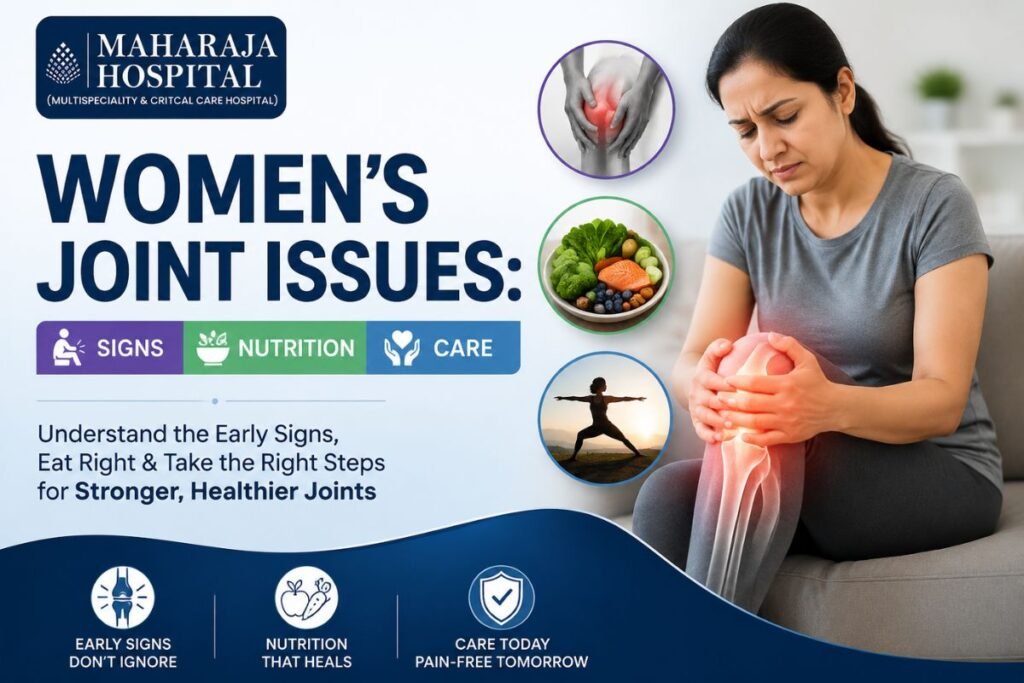
Joint pain is often considered a problem that comes with aging, but many women start experiencing joint discomfort much earlier in life. From hormonal changes and nutritional deficiencies to lifestyle habits and medical conditions, women are more likely than men to develop joint-related problems. Ignoring the early signs can lead to chronic pain, stiffness, and reduced mobility over time.
Understanding the causes, recognizing the warning signs, and improving nutrition can play a major role in protecting joint health and maintaining an active lifestyle.
Why Are Women More Prone to Joint Problems?
Women experience several physical and hormonal changes throughout life that directly affect bone and joint health. Hormonal fluctuations during menstruation, pregnancy, and menopause can weaken bones and joints over time. Estrogen, a hormone that helps protect bones and cartilage, naturally decreases with age, especially after menopause. This increases the risk of osteoarthritis and osteoporosis.
Apart from hormonal factors, women are also more likely to suffer from nutritional deficiencies such as low calcium, vitamin D, and iron levels. Sedentary lifestyles, obesity, stress, and lack of physical activity further increase pressure on the joints.
Certain autoimmune diseases like rheumatoid arthritis are also more common in women, causing inflammation and pain in the joints.
Early Signs of Joint Issues in Women
Many women ignore mild joint discomfort in the beginning, assuming it is temporary fatigue or body pain. However, identifying symptoms early can help prevent long-term complications.
Persistent Joint Pain
Pain in the knees, shoulders, hips, fingers, or back that lasts for weeks should never be ignored. Mild pain that increases during movement or after physical activity can indicate early joint damage.
Morning Stiffness
Feeling stiffness in the joints after waking up is one of the most common early signs of arthritis or inflammation. If the stiffness lasts for more than 30 minutes, medical evaluation may be needed.
Swelling Around Joints
Inflamed joints may appear swollen, warm, or tender to touch. This can happen due to cartilage wear, injury, or autoimmune conditions.
Reduced Flexibility
Difficulty bending the knees, climbing stairs, or performing daily activities may indicate weakening joints or cartilage deterioration.
Cracking or Clicking Sounds
Hearing popping or cracking sounds while moving joints occasionally is normal, but frequent sounds combined with pain may indicate joint wear and tear.
Weak Grip Strength
Women experiencing joint issues in the fingers or wrists may notice difficulty holding objects, opening jars, or typing comfortably.
Common Causes of Joint Problems in Women
Nutritional Deficiencies
One of the biggest reasons behind weak joints in women is poor nutrition. Calcium and vitamin D deficiencies reduce bone density and weaken supporting structures around the joints.
Low protein intake can also affect muscle strength, increasing stress on the joints.
Obesity and Weight Gain
Excess body weight puts additional pressure on weight-bearing joints such as the knees and hips. Even a small increase in weight can significantly impact joint health over time.
Lack of Physical Activity
A sedentary lifestyle weakens muscles and reduces flexibility. Strong muscles help support and stabilize joints, reducing strain during movement.
Hormonal Changes
Menopause causes a sharp decline in estrogen levels, which affects bone strength and joint lubrication. This is why many women notice increased joint pain after the age of 40.
Poor Posture
Improper sitting posture, long working hours, and incorrect body alignment can place stress on the spine, neck, and knee joints.
Role of Nutrition in Joint Health
Nutrition plays a major role in maintaining healthy bones, muscles, and joints. A balanced diet can reduce inflammation, strengthen bones, and improve mobility.
Calcium-Rich Foods
Calcium is essential for strong bones and proper joint support. Women should include dairy products, almonds, sesame seeds, tofu, and green leafy vegetables in their diet.
Vitamin D
Vitamin D helps the body absorb calcium efficiently. Lack of sunlight exposure is one of the leading causes of vitamin D deficiency in women. Eggs, fatty fish, fortified milk, and controlled sunlight exposure can help improve vitamin D levels.
Protein for Muscle Support
Protein helps build and repair muscles that support the joints. Good protein sources include lentils, beans, paneer, eggs, chicken, and nuts.
Omega-3 Fatty Acids
Omega-3 fatty acids help reduce joint inflammation and stiffness. Foods like walnuts, flaxseeds, chia seeds, and fish are beneficial for joint health.
Anti-Inflammatory Foods
Fresh fruits, vegetables, turmeric, ginger, and berries contain antioxidants that help reduce inflammation in the body.
Hydration
Water helps maintain joint lubrication and cartilage health. Dehydration can increase stiffness and discomfort in the joints.
Lifestyle Changes That Help Protect Joints
Nutrition alone is not enough. Healthy daily habits are equally important for maintaining long-term joint health.
Stay Physically Active
Low-impact exercises like walking, yoga, swimming, and cycling improve flexibility and strengthen muscles without putting excess pressure on joints.
Maintain Healthy Weight
Managing body weight reduces strain on the knees, hips, and spine.
Improve Posture
Sitting correctly, using ergonomic furniture, and avoiding prolonged screen time can reduce stress on joints and muscles.
Wear Supportive Footwear
Improper footwear can affect body alignment and increase knee or back pain.
Avoid Smoking and Excess Alcohol
Smoking weakens bone density and slows healing, while excessive alcohol consumption affects calcium absorption.
When Should You See a Doctor?
Joint pain that lasts for more than a few weeks should not be ignored. Early diagnosis can prevent permanent joint damage and improve treatment outcomes.
You should consult a specialist if you experience:
- Severe or continuous joint pain
- Swelling and redness
- Difficulty walking or climbing stairs
- Frequent stiffness
- Joint pain affecting daily activities
Getting expert orthopedic care at the right time can help manage symptoms and improve quality of life. If you are looking for advanced orthopedic treatment and expert consultation, visit the Best Orthopedic Hospital in Rewari for comprehensive joint care and treatment options.
For complete healthcare support and specialized medical services, you can also consult the Best Hospital in Rewari for expert guidance and patient-focused care.
Conclusion
Women are naturally more vulnerable to joint issues due to hormonal changes, nutritional deficiencies, lifestyle habits, and aging. However, early awareness and preventive care can make a significant difference. Recognizing symptoms early, following a nutrient-rich diet, staying physically active, and seeking timely medical advice are essential for protecting long-term joint health.
Healthy joints are the foundation of an active and pain-free life. Taking small steps today can help women stay strong, mobile, and independent for years to come.