What Happens If Diabetes Is Left Untreated?

Best Diet Plan for Diabetes Patients
November 21, 2026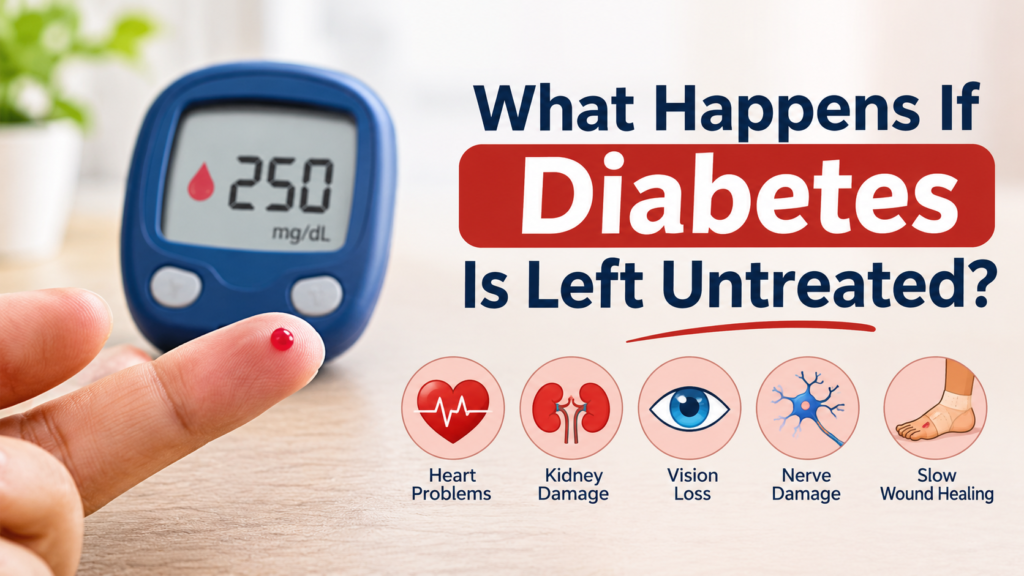
Diabetes is a chronic health condition that affects how the body regulates blood sugar (glucose). Glucose is the primary source of energy for the body, but it requires insulin to enter cells and be used effectively. When the body does not produce enough insulin or cannot use it properly, blood sugar levels rise, leading to diabetes.
Many people ignore early symptoms of diabetes because they may seem mild or develop gradually. However, leaving diabetes unmanaged can cause serious damage to vital organs over time. Understanding the risks of Untreated Diabetes is essential for preventing long-term health complications and maintaining a healthy lifestyle.
In this blog, we will explore what happens when diabetes is left untreated, the warning signs to watch for, and why timely medical care is important.
What Is Diabetes and Why Does It Need Treatment?
Diabetes occurs when the body cannot maintain normal blood glucose levels. It is mainly classified into Type 1 diabetes, Type 2 diabetes, and gestational diabetes.
In Type 1 diabetes, the body produces little or no insulin, while Type 2 diabetes occurs when the body becomes resistant to insulin or cannot produce enough to meet its needs. Gestational diabetes develops during pregnancy and requires careful monitoring to protect both mother and baby.
When diabetes is not diagnosed or treated, excess glucose remains in the bloodstream for extended periods. This gradually damages blood vessels, nerves, and organs. The Effects of High Blood Sugar on the Body can become more severe with time, increasing the risk of long-term complications that may affect overall quality of life.
Early Symptoms of Untreated Diabetes
Recognising the early signs of diabetes can help individuals seek medical attention before complications develop. Some of the common symptoms include:
- Frequent urination, especially during the night
- Excessive thirst and dehydration
- Increased hunger despite eating regularly
- Unexplained weight loss
- Persistent fatigue and weakness
- Blurred vision
- Slow healing of cuts and wounds
- Recurrent skin or urinary infections
These symptoms may appear gradually, particularly in Type 2 diabetes, and can easily be overlooked. If you notice several of these symptoms, it is important to consult a doctor and get your blood sugar levels tested.

Major Effects of High Blood Sugar on the Body
High blood sugar can affect almost every major organ system. When glucose levels remain elevated for a prolonged period, the body experiences damage that may become difficult to reverse.
1. Damage to the Heart and Blood Vessels
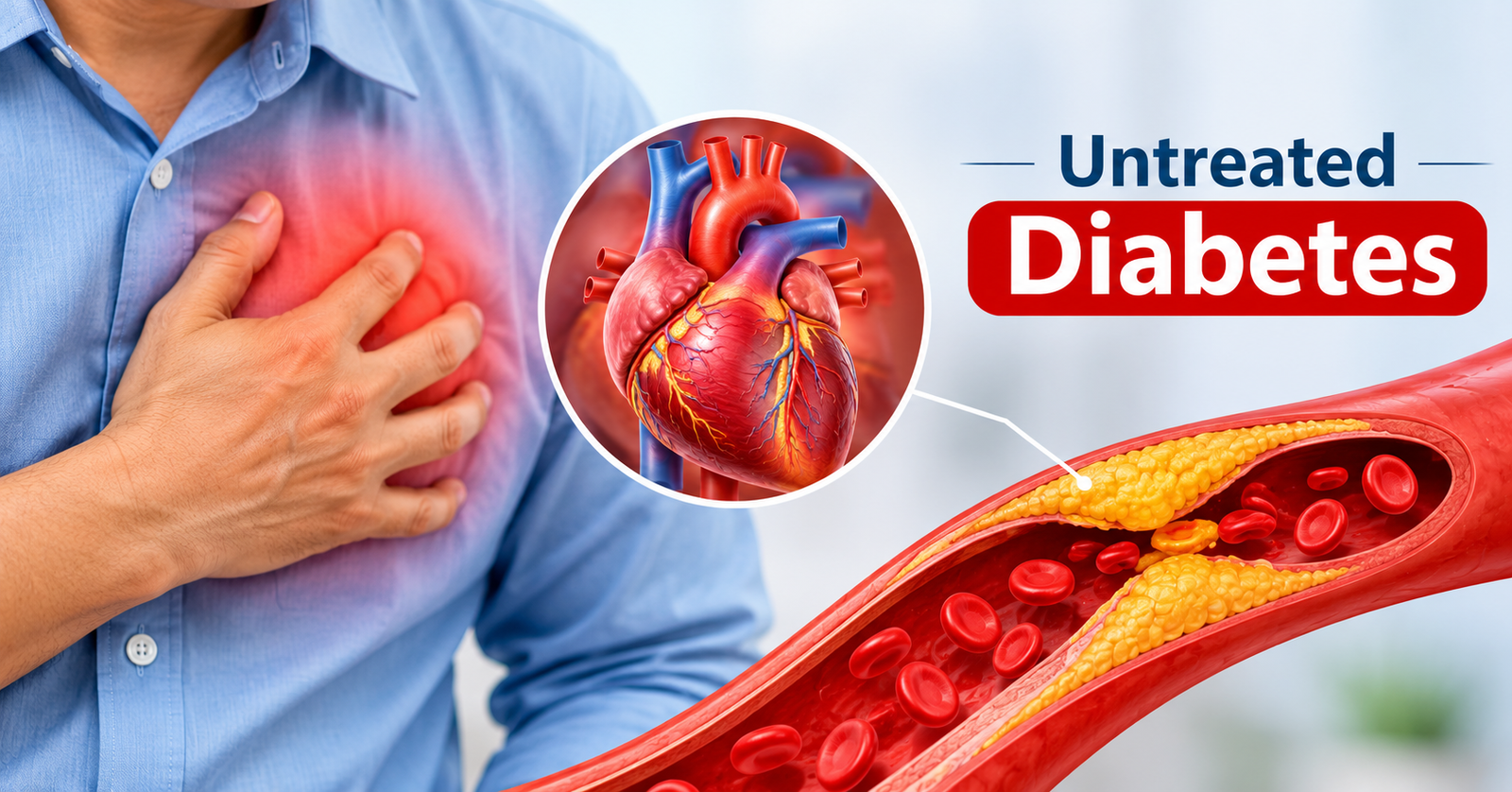
Diabetes increases the risk of cardiovascular diseases. Persistently high blood sugar can damage blood vessels, contribute to inflammation, and increase the likelihood of high blood pressure and unhealthy cholesterol levels.
People with uncontrolled diabetes have a greater risk of developing heart disease, heart attacks, and strokes. Maintaining healthy glucose levels, monitoring blood pressure, and following medical advice can help lower these risks.
2. Kidney Damage
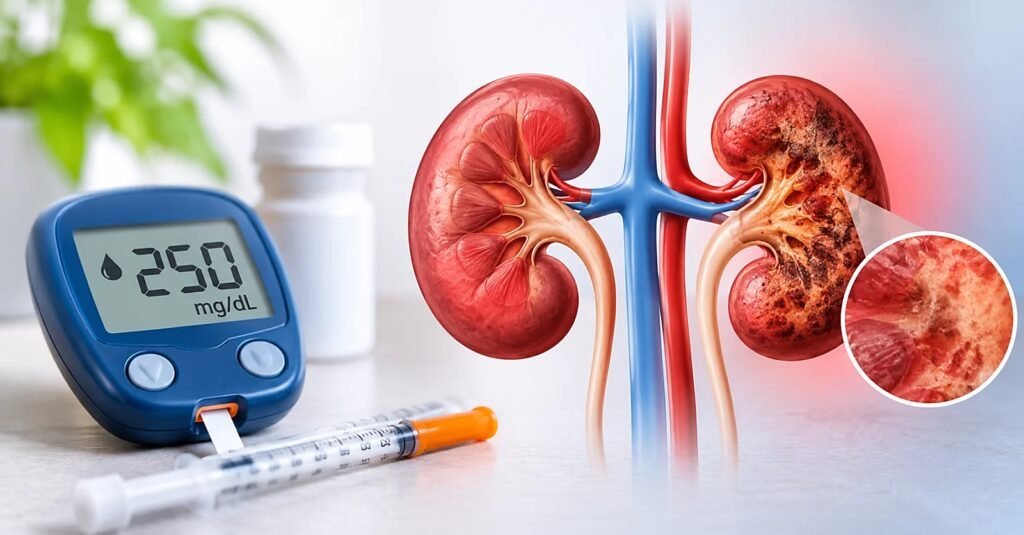
The kidneys filter waste and excess fluids from the blood. Over time, high blood sugar can damage the tiny blood vessels inside the kidneys, reducing their ability to function properly.
This condition, known as diabetic kidney disease, may develop without noticeable symptoms in its early stages. If left untreated, it can progress to advanced kidney disease or kidney failure, sometimes requiring dialysis or a kidney transplant.
3. Nerve Damage (Diabetic Neuropathy)
One of the common Effects of High Blood Sugar on the Body is nerve damage. Diabetes can affect the nerves, particularly those in the feet and hands.
Symptoms may include tingling, numbness, burning sensations, sharp pain, or reduced ability to feel injuries. When sensation is reduced, minor cuts, blisters, or wounds may go unnoticed and become infected.

4. Vision Problems and Eye Damage
Untreated diabetes can damage the blood vessels in the retina, causing diabetic retinopathy. It may also increase the risk of cataracts and glaucoma.
In the early stages, eye damage may not cause noticeable symptoms. As the condition progresses, patients may experience blurred vision, floaters, or even vision loss. Regular eye examinations are important for detecting diabetes-related eye problems early.

Complications of Untreated Diabetes
The Complications of Untreated Diabetes can extend beyond individual organs and may significantly affect a person’s daily life, independence, and overall health.
Some of the serious complications include:
- Diabetic foot problems: Poor circulation and nerve damage can cause ulcers, infections, and, in severe cases, tissue damage or amputation.
- Increased infection risk: High blood sugar can interfere with the body’s ability to fight infections, leading to frequent skin, urinary, and other infections.
- Sexual health problems: Diabetes may contribute to erectile dysfunction in men and reduced sexual comfort or function in women.
- Dental problems: Gum inflammation, periodontal disease, and oral infections may become more common.
- Mental health challenges: Living with untreated diabetes or its symptoms may contribute to stress, anxiety, and emotional exhaustion.
The Complications of Untreated Diabetes can become life-threatening if blood sugar levels remain uncontrolled for a prolonged period or rise dangerously high.
Can Untreated Diabetes Cause Medical Emergencies?
Yes. Diabetes can lead to serious medical emergencies if left unmanaged.
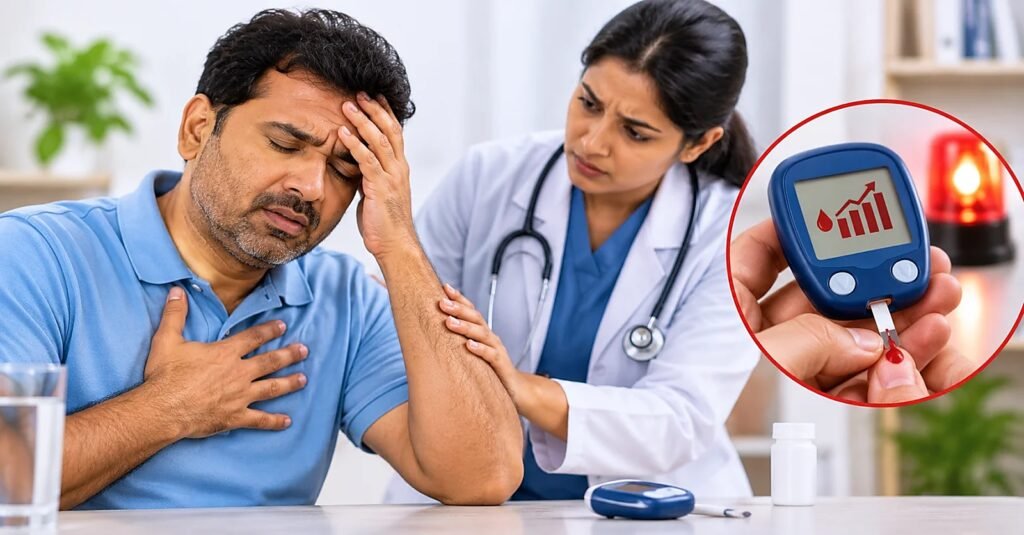
In people with Type 1 diabetes, a lack of insulin may cause diabetic ketoacidosis (DKA), a dangerous condition in which the body produces excessive ketones. Symptoms may include vomiting, abdominal pain, deep or rapid breathing, confusion, and extreme weakness.
People with Type 2 diabetes may develop hyperosmolar hyperglycemic state (HHS), in which blood sugar becomes extremely high, leading to severe dehydration, confusion, seizures, or loss of consciousness.
Both conditions require urgent medical attention. If someone experiences difficulty breathing, severe dehydration, persistent vomiting, confusion, or unconsciousness, immediate emergency care is necessary.
How Can Untreated Diabetes Be Prevented and Managed?
The good news is that diabetes can often be managed effectively with early diagnosis, appropriate treatment, and healthy lifestyle changes.
Here are some essential steps to help manage diabetes:
- Monitor blood sugar regularly: Follow your doctor’s advice regarding glucose monitoring and HbA1c testing.
- Eat a balanced diet: Choose whole grains, vegetables, lean protein, fibre-rich foods, and limit sugary drinks and highly processed foods.
- Stay physically active: Regular walking, exercise, and movement can improve insulin sensitivity.
- Maintain a healthy weight: Weight management can help improve blood sugar control, particularly in Type 2 diabetes.
- Take prescribed medications: Do not stop insulin or diabetes medicines without consulting your doctor.
- Attend regular check-ups: Routine kidney, eye, heart, and foot assessments help identify complications early.
Early intervention can make a significant difference in preventing the long-term effects of diabetes.
When Should You Consult a Doctor?
You should consult a healthcare professional if you experience persistent thirst, frequent urination, unexplained weight loss, fatigue, blurred vision, or recurring infections. People with a family history of diabetes, obesity, high blood pressure, or a sedentary lifestyle should also consider regular screening.
Ignoring these warning signs can allow Untreated Diabetes to progress silently. Timely diagnosis and proper treatment are essential for protecting your health and preventing complications.
Conclusion
Diabetes is a manageable condition, but leaving it untreated can have serious consequences for the heart, kidneys, eyes, nerves, and overall health. The Effects of High Blood Sugar on the Body may develop slowly, making regular screening and early medical care especially important.
Understanding the risks of Untreated Diabetes and taking proactive steps toward treatment can help prevent complications, improve quality of life, and support long-term well-being. If you are experiencing symptoms or have concerns about your blood sugar levels, do not delay seeking medical advice.
For comprehensive healthcare support, Maharaja Hospital, the best hospital in Rewari for delivery & child care, is dedicated to providing compassionate medical care for families, women, and children through its healthcare services.
Taking care of your health today can help protect your future.