Joint Pain or Arthritis? How to Identify the Symptoms and Get the Right Diagnosis

The Importance of Iron in Pregnancy: Protecting Both Mother & Baby | Maharaja Hospital
May 28, 2026
Understanding Sciatica: Causes, Symptoms, Diagnosis, Treatment, and Prevention
July 3, 2026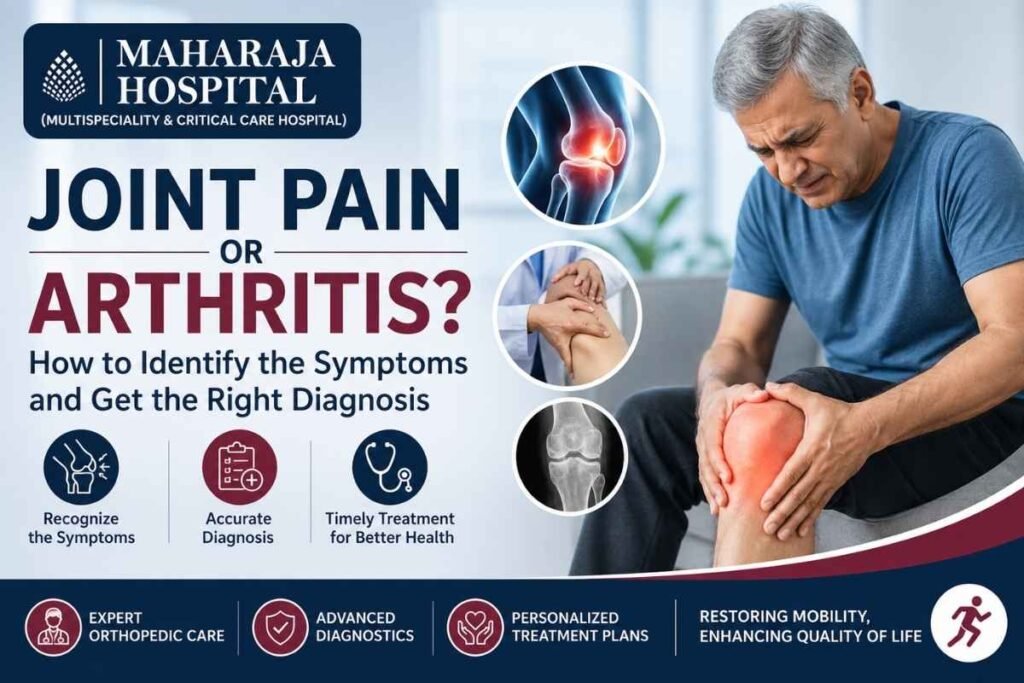
Joint discomfort is one of the most common health concerns affecting people of all ages. Whether it is a dull ache in the knees, stiffness in the fingers, or pain in the hips, many individuals often wonder whether they are experiencing simple joint pain or a more serious condition such as arthritis. Since both conditions can share similar symptoms, understanding the difference is essential for receiving the right treatment and preventing long-term complications.
At Maharaja Hospital, we frequently see patients who ignore early symptoms, assuming that joint pain is a normal part of aging. However, timely diagnosis and medical evaluation can make a significant difference in maintaining joint health and mobility.
Understanding Joint Pain
Joint pain refers to discomfort, soreness, or inflammation in any joint of the body. It can occur due to a variety of reasons and may affect one or multiple joints.
Common causes of joint pain include:
- Minor injuries and sprains
- Overuse of joints
- Muscle strain
- Sports-related injuries
- Obesity and excess body weight
- Infections
- Vitamin deficiencies
- Autoimmune conditions
Joint pain can be temporary and may improve with rest, medication, or lifestyle modifications. However, when pain persists for weeks or months, further evaluation becomes necessary.
What Is Arthritis?
Arthritis is not a single disease but a group of conditions that cause inflammation and damage to the joints. It is one of the leading causes of pain and disability worldwide.
There are more than 100 types of arthritis, but the most common include:
Osteoarthritis
Often called wear-and-tear arthritis, osteoarthritis occurs when the protective cartilage between bones gradually breaks down. It commonly affects the knees, hips, spine, and hands.
Rheumatoid Arthritis
This is an autoimmune disorder where the body’s immune system mistakenly attacks healthy joint tissues, causing inflammation and joint damage.
Gout
Gout develops when uric acid crystals accumulate in the joints, leading to sudden and severe pain, especially in the big toe.
Psoriatic Arthritis
This condition affects some individuals with psoriasis and can cause joint swelling, stiffness, and discomfort.
Unlike temporary joint pain, arthritis is often a chronic condition that requires long-term management.
Joint Pain vs Arthritis: Key Differences
Although the symptoms may overlap, there are several important differences between joint pain and arthritis.
Duration of Symptoms
Joint pain caused by injury or overuse usually improves within days or weeks. Arthritis-related symptoms often persist and may worsen over time.
Presence of Inflammation
Arthritis commonly causes noticeable swelling, warmth, and redness around the affected joint, while simple joint pain may not involve significant inflammation.
Morning Stiffness
People with arthritis often experience stiffness after waking up that lasts for 30 minutes or longer. Simple joint pain usually improves quickly after movement.
Progressive Nature
Arthritis tends to gradually worsen if left untreated. Joint pain resulting from temporary causes generally resolves once the underlying issue heals.
Impact on Daily Activities
Arthritis can significantly affect mobility, making routine activities such as walking, climbing stairs, or holding objects difficult.
Common Symptoms That Should Not Be Ignored
Regardless of the cause, certain symptoms indicate the need for medical evaluation.
Persistent Joint Pain
Pain lasting several weeks without improvement should always be assessed by a healthcare professional.
Swelling Around the Joint
Visible swelling may suggest inflammation or joint damage.
Reduced Range of Motion
Difficulty bending or moving a joint normally may indicate arthritis or structural problems.
Joint Stiffness
Morning stiffness or stiffness after periods of inactivity can be a warning sign of arthritis.
Clicking or Grinding Sensations
These symptoms may occur when cartilage begins to wear down.
Fatigue and General Weakness
Autoimmune forms of arthritis often cause fatigue along with joint symptoms.
Seeking medical attention early can help prevent further joint deterioration.
How Doctors Diagnose Joint Pain and Arthritis
Accurate diagnosis is the foundation of effective treatment. Since many joint conditions share similar symptoms, doctors use a combination of clinical evaluation and diagnostic tests.
Medical History
The doctor will ask questions about:
- When the pain started
- Severity of symptoms
- Family history of arthritis
- Previous injuries
- Daily activities and occupation
Physical Examination
A detailed examination helps assess swelling, tenderness, flexibility, and joint function.
Blood Tests
Certain blood tests can identify markers of inflammation or autoimmune diseases such as rheumatoid arthritis.
X-Rays
X-rays help reveal cartilage loss, bone changes, and joint damage.
MRI Scans
MRI imaging provides detailed information about soft tissues, ligaments, tendons, and cartilage.
Joint Fluid Analysis
In some cases, doctors may analyze fluid from the joint to detect infection, gout, or inflammatory arthritis.
Treatment Options for Joint Pain and Arthritis
Treatment depends on the underlying cause and severity of symptoms.
Lifestyle Modifications
Maintaining a healthy weight can significantly reduce stress on weight-bearing joints such as the knees and hips.
Physical Therapy
Targeted exercises help strengthen muscles, improve flexibility, and support joint function.
Medications
Doctors may prescribe pain relievers, anti-inflammatory medicines, or disease-modifying medications depending on the diagnosis.
Assistive Devices
Braces, orthotics, and walking aids can help reduce strain on affected joints.
Surgical Treatment
When conservative treatments fail, surgical procedures such as joint replacement may be recommended to restore mobility and relieve pain.
As a trusted Orthopedic Hospital in Rewari, Maharaja Hospital provides comprehensive diagnosis, treatment, and rehabilitation services for various joint and bone disorders.
Can Joint Problems Be Prevented?
While not all joint conditions can be prevented, certain habits can reduce the risk of developing chronic joint issues.
- Maintain a healthy body weight
- Exercise regularly
- Eat a balanced diet rich in calcium and vitamin D
- Avoid smoking
- Practice proper posture
- Protect joints during sports and physical activities
- Seek prompt treatment for injuries
Taking proactive steps today can help preserve joint health for years to come.
Comprehensive Healthcare Under One Roof
At Maharaja Hospital, patients benefit from multidisciplinary healthcare services that go beyond orthopedic care. The hospital is also recognized for advanced minimally invasive procedures, including Laparoscopic Surgeries in rewari, which offer faster recovery and reduced postoperative discomfort.
Families looking for comprehensive healthcare solutions also trust Maharaja Hospital as the Best Hospital in Rewari for Delivery & Child Care!, providing expert care for mothers, newborns, and children.
When Should You See a Doctor?
Many people ignore joint symptoms until they become severe. However, early diagnosis often leads to better treatment outcomes and helps prevent irreversible joint damage.
You should consult a healthcare professional if:
- Joint pain persists for more than a few weeks
- Swelling repeatedly occurs
- Movement becomes difficult
- Pain interferes with daily activities
- You experience unexplained fatigue along with joint symptoms
Conclusion
Joint pain and arthritis may appear similar, but they are not always the same condition. While temporary joint pain can result from injuries or overuse, arthritis is often a chronic disease that requires ongoing management. Recognizing the symptoms early and seeking professional medical evaluation can help prevent complications and improve quality of life.
At Maharaja Hospital, our experienced specialists are committed to providing accurate diagnosis, personalized treatment plans, and advanced orthopedic care to help patients regain mobility and live pain-free lives.