Understanding Sciatica: Causes, Symptoms, Diagnosis, Treatment, and Prevention

Joint Pain or Arthritis? How to Identify the Symptoms and Get the Right Diagnosis
June 11, 2026
Knee Pain Keeping You Awake? Daily Habits to Find Relief and Knowing When to See a Doctor
July 7, 2026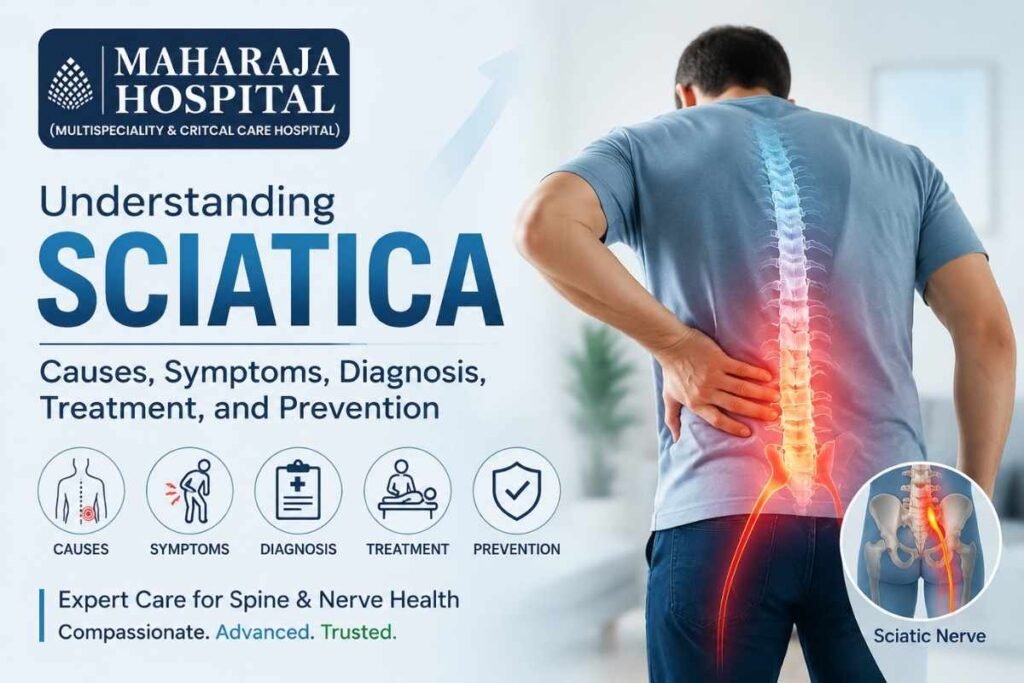
Sciatica is one of the most common causes of pain that starts in the lower back and travels down the leg. The discomfort can range from mild to severe, making simple daily activities like walking, sitting, or standing difficult. While many people think sciatica is a condition on its own, it is actually a symptom of an underlying problem affecting the sciatic nerve.
If you experience persistent pain, numbness, or tingling in your leg, it is important to seek medical attention. Early diagnosis and proper treatment can help relieve pain, improve mobility, and prevent long-term complications.
What Is Sciatica?
Sciatica refers to pain caused by irritation, inflammation, or compression of the sciatic nerve, which is the longest and widest nerve in the human body. It begins in the lower back, passes through the hips and buttocks, and extends down each leg.
When this nerve becomes compressed, it can cause pain that radiates from the lower back to the foot. In most cases, only one side of the body is affected.
Sciatica is common among adults between the ages of 30 and 50, especially those with physically demanding jobs, poor posture, obesity, or prolonged sitting habits.
Common Causes of Sciatica
Several conditions can put pressure on the sciatic nerve. Some of the most common causes include:
Herniated or Slipped Disc
A herniated disc is the leading cause of sciatica. When the soft inner part of a spinal disc pushes through its outer layer, it can press against the sciatic nerve and trigger pain.
Spinal Stenosis
Spinal stenosis occurs when the spinal canal narrows, reducing the space available for nerves. This condition is more common in older adults and can lead to nerve compression.
Degenerative Disc Disease
As people age, spinal discs gradually lose their flexibility and cushioning. This natural wear and tear may irritate nearby nerves and contribute to sciatica symptoms.
Piriformis Syndrome
The piriformis muscle is located deep in the buttock. If this muscle becomes tight or inflamed, it may compress the sciatic nerve and cause pain.
Spondylolisthesis
This condition occurs when one vertebra slips over another, narrowing the space around the spinal nerves and leading to sciatic nerve irritation.
Injury or Trauma
Sports injuries, falls, or accidents affecting the lower back or pelvis can also result in sciatica.
Symptoms of Sciatica
Sciatica symptoms vary depending on the severity of nerve compression. Common signs include:
- Sharp or burning pain that starts in the lower back and travels down one leg
- Pain in the buttock, thigh, calf, or foot
- Tingling or “pins and needles” sensation
- Numbness in the leg or foot
- Muscle weakness in the affected leg
- Pain that worsens while sitting for long periods
- Increased discomfort during coughing, sneezing, or sudden movements
Some people experience only mild discomfort, while others may have severe pain that interferes with daily life.
How Is Sciatica Diagnosed?
Accurate diagnosis is essential for effective treatment. Your doctor will begin by reviewing your medical history and performing a physical examination.
During the examination, the doctor may assess:
- Muscle strength
- Reflexes
- Walking pattern
- Leg movement
- Pain location
If symptoms are severe or persist for several weeks, imaging tests may be recommended, including:
- X-rays to examine the spine
- MRI scans to identify herniated discs or nerve compression
- CT scans for detailed spinal images
- Electromyography (EMG) to evaluate nerve function
These tests help determine the exact cause of sciatica and guide the most suitable treatment plan.
Treatment Options for Sciatica
The good news is that most people recover from sciatica without surgery. Treatment depends on the underlying cause and severity of symptoms.
Medications
Doctors may prescribe:
- Pain relievers
- Anti-inflammatory medications
- Muscle relaxants
- Medications for nerve pain when required
These medicines help reduce pain and inflammation, allowing patients to return to normal activities more comfortably.
Physiotherapy
Physiotherapy plays a major role in sciatica recovery. A trained physiotherapist can recommend exercises that strengthen the core muscles, improve flexibility, and reduce pressure on the sciatic nerve.
Stretching routines and posture correction can also help prevent future episodes.
Lifestyle Changes
Simple lifestyle modifications can significantly improve recovery, including:
- Maintaining good posture
- Avoiding prolonged sitting
- Taking regular walking breaks
- Maintaining a healthy body weight
- Using proper lifting techniques
Injections
For patients with persistent pain, corticosteroid injections around the affected nerve may help reduce inflammation and provide temporary relief.
Surgery
Surgery is generally considered only when:
- Pain remains severe despite conservative treatment
- There is significant muscle weakness
- Bladder or bowel control is affected
- Imaging confirms severe nerve compression
Modern spinal procedures aim to relieve pressure on the nerve while preserving spinal stability. At Maharaja Hospital, experienced specialists carefully evaluate each patient’s condition before recommending surgical intervention. Patients requiring comprehensive bone, joint, and spine care can consult the specialists at the <a href=”https://maharajahospital.in/orthopedics/” target=”_blank”>Orthopedic Hospital in Rewari</a> for personalized evaluation and advanced treatment options.
Can Sciatica Be Prevented?
Although not every case can be prevented, healthy habits greatly reduce the risk of developing sciatica.
Here are some practical prevention tips:
- Exercise regularly to strengthen back and abdominal muscles.
- Maintain proper posture while sitting and standing.
- Use ergonomic chairs if you work long hours at a desk.
- Lift heavy objects correctly by bending your knees instead of your back.
- Stay physically active and avoid a sedentary lifestyle.
- Maintain a healthy weight to reduce stress on the spine.
These simple measures can protect your spine and reduce the likelihood of nerve compression.
When Should You See a Doctor?
While mild sciatica often improves within a few weeks, medical attention is necessary if you experience:
- Severe or worsening pain
- Difficulty walking
- Persistent numbness or weakness
- Loss of bladder or bowel control
- Pain following a serious injury
Early diagnosis allows timely treatment and helps prevent permanent nerve damage.
Comprehensive Care at Maharaja Hospital
At Maharaja Hospital, patients receive comprehensive care for spine and nerve-related conditions through a multidisciplinary approach. Orthopedic specialists, physiotherapists, pain management experts, and diagnostic professionals work together to identify the root cause of symptoms and develop individualized treatment plans.
The hospital also offers a wide range of advanced surgical services. Patients who require minimally invasive procedures for other medical conditions can benefit from expert <a href=”https://maharajahospital.in/laproscopic-surgeries/” target=”_blank”>laparoscopic surgeries in Rewari</a>, helping ensure faster recovery, smaller incisions, and reduced hospital stays.
Conclusion
Sciatica can significantly affect your quality of life, but with early diagnosis and appropriate treatment, most people recover successfully. Understanding its causes, recognizing the symptoms, and seeking timely medical care are the first steps toward lasting relief.
If you are experiencing persistent lower back pain, leg pain, numbness, or weakness, don’t ignore the symptoms. Consulting experienced healthcare professionals can help identify the underlying cause and ensure you receive the right treatment before the condition worsens. With expert care, personalized treatment plans, and modern medical facilities, Maharaja Hospital is committed to helping patients return to a healthy, active, and pain-free life.