Joint Preservation vs Joint Replacement: How to Choose the Right Treatment for Your Joint Health

Delayed Periods: Causes, Symptoms, and When You Should Actually Be Concerned
March 26, 2026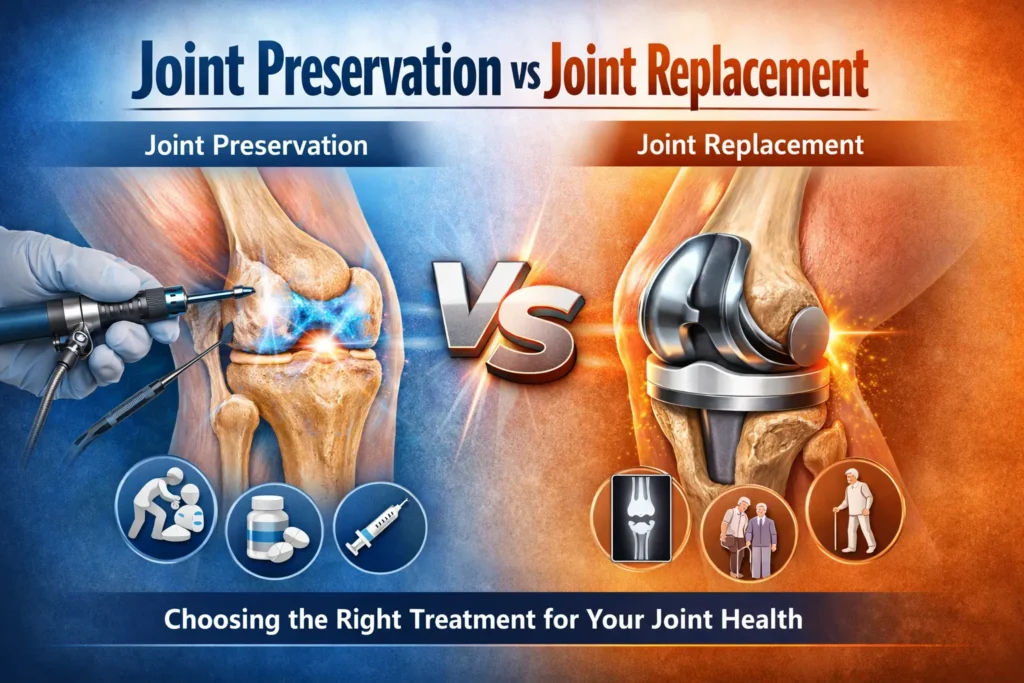
Joint pain can slowly affect everyday activities like walking, climbing stairs, or even standing for long periods. Many people facing long-term joint problems often wonder whether they should try to preserve their natural joint or consider joint replacement surgery. The right decision depends on factors such as the level of damage, age, lifestyle, and overall health.
At Orthopedic Hospital in Rewari, orthopedic specialists evaluate each patient carefully before recommending the most suitable treatment. The focus is always on reducing pain, restoring movement, and helping patients return to an active and comfortable life.
What Is Joint Preservation?
Joint preservation refers to treatments designed to protect and repair the natural joint instead of replacing it. These treatments are usually recommended in the early or moderate stages of joint damage.
The main goal of joint preservation is to slow down joint degeneration and delay the need for major surgery.
Common Joint Preservation Treatments
• Physiotherapy and rehabilitation to strengthen surrounding muscles
• Medications to reduce inflammation and pain
• Joint injections such as corticosteroids or lubricating injections
• Arthroscopic surgery to repair damaged cartilage or ligaments
• Lifestyle modifications like weight management and low-impact exercises
These methods are particularly helpful for younger patients or individuals with mild to moderate joint damage.
What Is Joint Replacement?
Joint replacement surgery is recommended when the joint is severely damaged and cannot function properly despite other treatments.
During this procedure, the damaged portion of the joint is replaced with an artificial implant made of metal, ceramic, or durable plastic. These implants are designed to replicate the natural movement of the joint.
Common Types of Joint Replacement
• Knee Replacement Surgery
• Hip Replacement Surgery
• Shoulder Replacement Surgery
Joint replacement is often suggested when pain becomes severe and significantly affects daily life.
When Is Joint Preservation the Right Choice?
Doctors may recommend joint preservation if the damage is still manageable and the joint structure can be protected.
Situations Where Joint Preservation Works Best
• Early stages of arthritis
• Minor cartilage or ligament injuries
• Younger and active patients
• Pain that can still be managed with non-surgical treatments
• Good overall joint structure visible in scans
Preserving the natural joint helps maintain natural movement and may delay the need for joint replacement for many years.
When Is Joint Replacement Necessary?
Joint replacement becomes the better option when the joint is extensively damaged and causing continuous pain.
Signs You May Need Joint Replacement
• Severe arthritis or advanced joint degeneration
• Constant pain even while resting
• Difficulty walking or performing daily tasks
• Limited joint mobility and stiffness
• Failure of medications, physiotherapy, or injections
In such cases, replacing the joint can significantly improve mobility and quality of life.
Factors Doctors Consider Before Choosing the Treatment
Orthopedic specialists consider several medical and lifestyle factors before recommending either option.
Important Factors Include
• Age of the patient
• Severity of joint damage
• Pain level and mobility limitations
• Lifestyle and activity level
• Overall health and medical history
Diagnostic tests such as X-rays, MRI scans, and physical examinations help doctors make an accurate decision.
Recovery and Long-Term Results
Recovery time can vary depending on the type of treatment chosen.
Joint Preservation Recovery
• Usually shorter recovery time
• Less invasive procedures
• Helps maintain natural joint structure
Joint Replacement Recovery
• Requires a structured rehabilitation program
• Provides long-term pain relief
• Significantly improves mobility and joint function
With proper post-treatment care and physiotherapy, most patients experience a major improvement in their daily activities.
Consult an Orthopedic Specialist for the Right Decision
Choosing between joint preservation and joint replacement should never be a guess. Every patient’s condition is different, and the right treatment requires a proper medical evaluation.
Consulting an experienced orthopedic specialist helps you understand the condition of your joint and the treatment options available. With the right guidance, patients can choose the option that best supports long-term mobility, comfort, and joint health.ith proper diagnosis and personalized treatment planning, patients can choose the option that best supports their mobility, comfort, and long-term joint health.