
How Poor Posture Leads to Chronic Neck Pain: Causes, Treatment & Lifestyle Changes

Hip Arthritis: Early Signs, Causes, Risk Factors & Treatment Options
July 9, 2026
Back Pain: Early Warning Signs, Relief Strategies & When to Consult an Orthopedic Specialist
July 22, 2026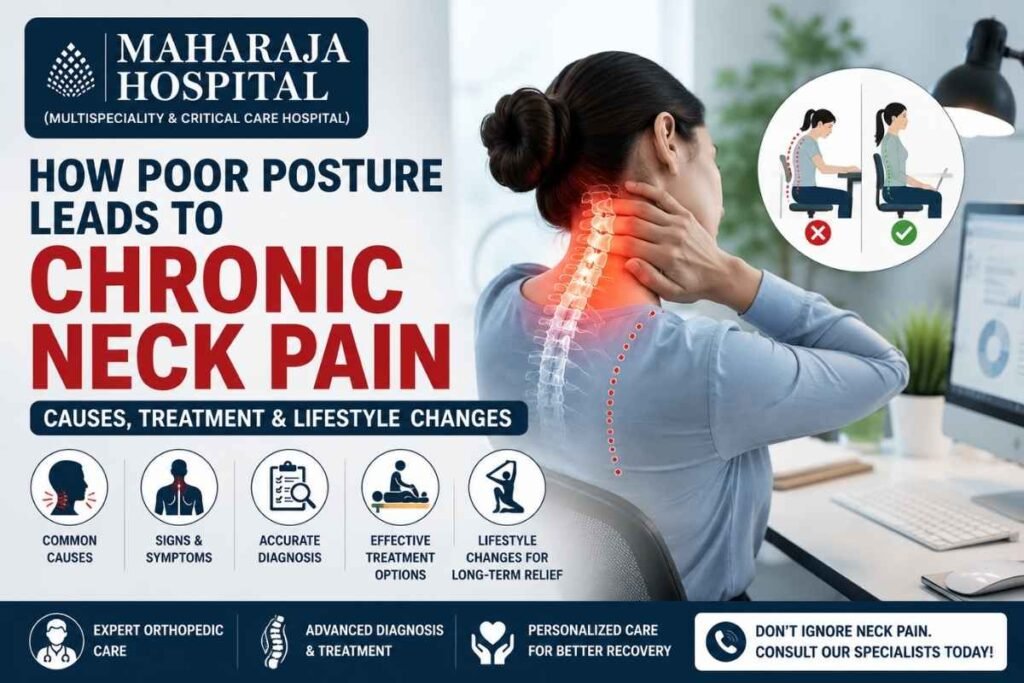
In today’s digital world, many people spend hours working on computers, looking down at mobile phones, or sitting for long periods without proper support. While these habits may seem harmless, they can gradually lead to chronic neck pain that affects daily life, work productivity, and overall well-being.
Poor posture is one of the most common yet overlooked causes of long-term neck discomfort. The good news is that with proper awareness, lifestyle changes, and timely treatment, most cases of posture-related neck pain can be effectively managed.
At Orthopedic Hospital in Rewari, specialists frequently treat patients experiencing neck pain caused by poor posture, helping them regain mobility and improve their quality of life.
Understanding Chronic Neck Pain
Chronic neck pain refers to discomfort, stiffness, or soreness in the neck that persists for more than three months. Unlike temporary pain caused by a minor strain, chronic neck pain often develops gradually and can worsen over time if the underlying cause is not addressed.
The neck supports the weight of the head while allowing a wide range of motion. When posture is consistently poor, extra stress is placed on the muscles, ligaments, joints, and spinal discs in the neck, leading to ongoing pain and stiffness.
How Poor Posture Causes Neck Pain
Good posture keeps the head aligned directly above the shoulders, reducing strain on the neck muscles. Poor posture shifts this alignment and forces the neck to work harder.
Common Posture Habits That Lead to Neck Pain
Forward Head Posture
This occurs when the head moves forward in front of the shoulders, often while using phones, laptops, or desktop computers.
For every inch the head moves forward, the neck muscles must support significantly more weight, increasing stress and fatigue.
Slouching While Sitting
Many people sit with rounded shoulders and a curved back. This position changes spinal alignment and places continuous pressure on the neck.
Looking Down at Mobile Devices
Often referred to as “tech neck,” constantly looking down at a smartphone can strain the neck muscles and cervical spine.
Poor Sleeping Positions
Using the wrong pillow or sleeping in an awkward position can contribute to chronic neck discomfort.
Common Symptoms of Posture-Related Neck Pain
Neck pain caused by poor posture may develop slowly, making it easy to ignore in the beginning.
Symptoms May Include
- Persistent neck stiffness
- Dull aching pain in the neck
- Pain that worsens after sitting for long periods
- Reduced range of motion
- Shoulder and upper back pain
- Frequent headaches
- Muscle tightness
- Pain radiating into the arms
If these symptoms continue for weeks or months, medical evaluation is recommended.
Risk Factors for Chronic Neck Pain
Certain lifestyle habits can increase the likelihood of developing posture-related neck pain.
Common Risk Factors
Desk Jobs
People who spend long hours working on computers often maintain poor posture throughout the day.
Excessive Smartphone Use
Looking down at phones for extended periods puts constant pressure on the cervical spine.
Lack of Physical Activity
Weak muscles provide less support for the spine, making posture problems more likely.
Stress and Muscle Tension
Mental stress often causes people to tighten their neck and shoulder muscles, contributing to pain.
Poor Ergonomic Setup
Improper chair height, monitor placement, or workstation design can lead to poor posture habits.
Long-Term Effects of Ignoring Poor Posture
Many people consider neck pain a minor issue and continue their daily routines without seeking treatment. However, prolonged poor posture can lead to more serious problems.
Potential Complications
- Chronic muscle strain
- Degenerative disc changes
- Nerve compression
- Persistent headaches
- Reduced mobility
- Poor spinal alignment
- Decreased productivity and quality of life
Addressing posture issues early can help prevent these complications.
How Neck Pain Is Diagnosed
Diagnosing posture-related neck pain begins with a detailed evaluation of symptoms, lifestyle habits, and medical history.
Diagnostic Methods
Physical Examination
Doctors assess posture, flexibility, muscle strength, and neck movement.
Imaging Tests
If symptoms are severe or persistent, imaging may be recommended.
These tests may include:
- X-rays
- MRI scans
- CT scans
Imaging helps identify structural issues such as disc problems, arthritis, or nerve compression.
Treatment Options for Chronic Neck Pain
Treatment depends on the severity of symptoms and the underlying cause.
Lifestyle Modifications
For many patients, improving daily habits is the first step toward relief.
Improve Workplace Ergonomics
- Keep the monitor at eye level
- Sit with proper back support
- Keep shoulders relaxed
- Position the keyboard and mouse comfortably
Take Regular Breaks
Standing, stretching, and walking every 30 to 60 minutes can reduce muscle strain.
Limit Smartphone Strain
Raise devices closer to eye level rather than bending the neck downward.
Physical Therapy and Exercises
Physical therapy is one of the most effective treatments for posture-related neck pain.
Benefits of Physical Therapy
- Strengthens neck and shoulder muscles
- Improves posture
- Increases flexibility
- Reduces stiffness
- Prevents future pain
A personalized exercise program can significantly improve symptoms over time.
Medications for Pain Relief
Doctors may recommend medications to reduce pain and inflammation.
Common Options
- Anti-inflammatory medications
- Muscle relaxants
- Pain relievers
These medications are generally used for short-term symptom management.
Advanced Treatment Options
In some cases, additional treatment may be necessary if conservative methods do not provide relief.
Interventional Treatments
- Trigger point injections
- Nerve block procedures
- Specialized pain management therapies
These options are typically considered when symptoms become severe or persistent.
The Importance of a Healthy Lifestyle
Simple lifestyle changes can have a major impact on neck health.
Healthy Habits for Preventing Neck Pain
- Maintain proper posture
- Exercise regularly
- Strengthen core muscles
- Stay physically active
- Use ergonomic furniture
- Sleep with proper neck support
- Manage stress effectively
These habits help protect the spine and reduce strain on the neck.
When Should You See a Doctor?
Seek medical attention if you experience:
- Neck pain lasting more than a few weeks
- Severe pain that limits movement
- Numbness or tingling in the arms
- Weakness in the hands
- Frequent headaches associated with neck pain
- Pain following an injury
Early diagnosis can prevent the condition from worsening and improve treatment outcomes.
Surgical Treatment for Severe Cases
Most cases of posture-related neck pain improve with conservative treatment. However, if structural issues such as severe disc damage or nerve compression are present, surgery may be considered.
Modern minimally invasive procedures can help certain patients recover faster with less discomfort. While commonly associated with abdominal procedures, advancements in Laparoscopic Surgeries in Rewari highlight how minimally invasive techniques continue to improve patient recovery across various medical specialties.
Final Thoughts
Poor posture is one of the leading causes of chronic neck pain in today’s technology-driven lifestyle. Hours spent on computers, mobile devices, and poorly designed workstations can gradually place excessive stress on the neck and spine.
The good news is that most posture-related neck pain can be managed successfully through lifestyle changes, proper ergonomics, physical therapy, and timely medical care. Paying attention to posture today can prevent years of discomfort in the future.
If neck pain is affecting your daily activities, don’t ignore it. Early evaluation and treatment can help you regain comfort, mobility, and long-term spinal health.