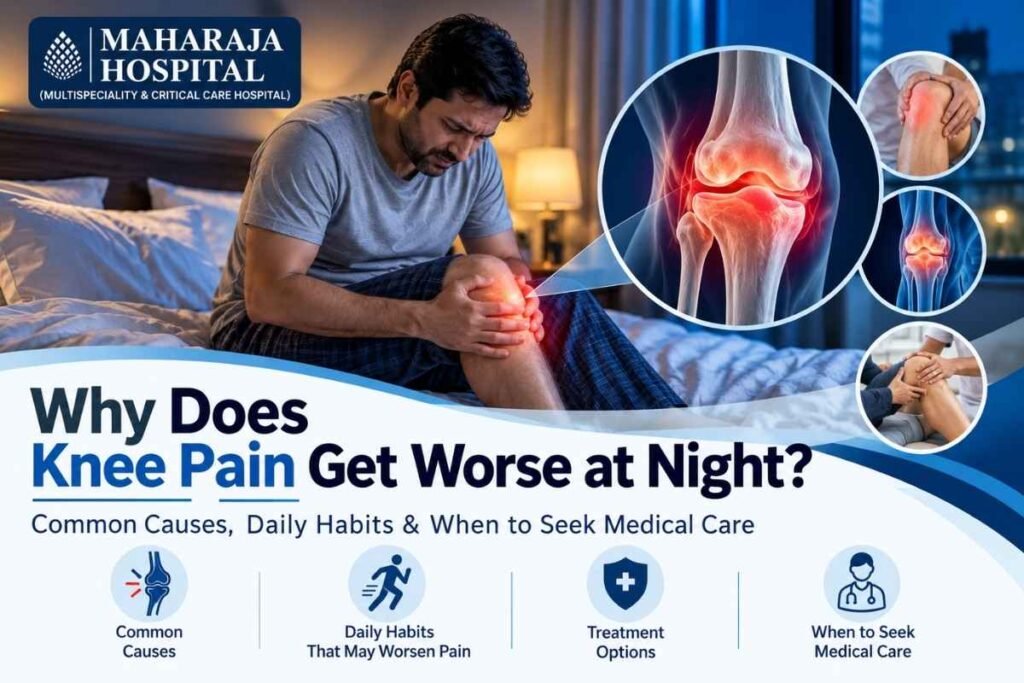
Home Remedies for Knee Pain: Proven Relief Methods, Myths, and Medical Advice

Wrist Pain From Phone Use: Common Causes, Warning Signs & Ways to Prevent It
October 1, 2026
Robotic Knee Replacement Surgery: Common Myths, Medical Facts, and What Patients Should Know
October 19, 2026
Knee pain is a common problem that affects people of different ages and lifestyles. Whether it develops after physical activity, prolonged sitting, an injury, or age-related joint changes, knee discomfort can interfere with everyday activities such as walking, climbing stairs, exercising, and standing for long periods.
Many people prefer trying home remedies before seeking medical treatment. Simple measures such as cold compresses, gentle exercises, weight management, and adequate rest may help relieve mild knee pain. However, not every popular remedy is supported by scientific evidence, and some approaches may delay necessary medical care.
Understanding which home remedies are effective, which are based on myths, and when professional medical advice is necessary can help you manage knee discomfort safely.
What Are the Common Causes of Knee Pain?
Before trying home remedies, it is important to understand what may be causing the discomfort. Knee pain can develop due to several conditions, including:
- Osteoarthritis: Gradual deterioration of joint cartilage that may cause pain, stiffness, and reduced mobility.
- Muscle strain: Overuse or excessive physical activity can strain muscles and tendons surrounding the knee.
- Ligament injuries: Sudden twisting movements or sports injuries may damage knee ligaments.
- Tendinitis: Inflammation or irritation of tendons caused by repetitive movements.
- Bursitis: Inflammation of fluid-filled sacs that cushion the knee joint.
- Excess body weight: Additional weight increases the mechanical load placed on the knee joints.
Identifying the underlying cause is essential because different knee conditions require different approaches to treatment.
1. Apply Cold Compresses to Reduce Swelling
Cold therapy is one of the most commonly recommended home remedies for knee pain, particularly after minor injuries or physical activity.
Applying an ice pack may help reduce swelling and temporarily relieve discomfort by decreasing nerve activity in the affected area.
How to use cold therapy:
- Wrap an ice pack or cold compress in a thin towel.
- Apply it to the painful knee for 15–20 minutes.
- Repeat every few hours during the first 24–48 hours after a minor injury, if needed.
- Avoid placing ice directly against the skin.
Cold therapy is particularly useful when knee pain is accompanied by swelling following a minor strain.
However, persistent swelling, significant injury, or difficulty bearing weight requires medical evaluation.
2. Use Heat Therapy for Knee Stiffness
Heat therapy can help relax surrounding muscles and temporarily improve comfort when knee stiffness develops without significant swelling.
Warm compresses may be particularly helpful for people experiencing stiffness associated with osteoarthritis or prolonged inactivity.
A warm towel, heating pad, or warm shower can provide temporary relief.
Apply gentle heat for approximately 15–20 minutes, ensuring the temperature is comfortable and does not burn the skin.
Heat should generally be avoided immediately after an acute injury when the knee is swollen, hot, or inflamed.
3. Try Gentle Knee Strengthening Exercises
Regular physical activity plays an important role in maintaining knee function. Weak muscles surrounding the knee can increase joint stress and contribute to discomfort.
Gentle strengthening exercises may improve joint stability, flexibility, and movement.
Some commonly recommended exercises include:
Straight Leg Raises
Lie on your back with one knee bent and the other leg straight. Slowly lift the straight leg, hold briefly, and lower it.
This exercise helps strengthen the quadriceps muscles without requiring substantial knee bending.
Seated Knee Extensions
Sit comfortably on a chair and slowly straighten one knee. Hold the position briefly before lowering the leg.
This movement activates the thigh muscles and may help maintain mobility.
Gentle Hamstring Stretches
Carefully stretching the muscles behind the thigh may help reduce tightness around the knee.
Exercises should be performed slowly and within a comfortable range of motion. Stop if pain increases, and consult a physiotherapist when symptoms persist or the appropriate exercises are uncertain.
4. Maintain a Healthy Body Weight
Excess body weight is an important modifiable risk factor for knee discomfort, particularly among people with knee osteoarthritis.
The knee joints support body weight during walking, climbing stairs, and other daily activities. Additional weight increases the load placed on these joints.
Research suggests that weight reduction can improve pain and physical function in people with knee osteoarthritis who are overweight.
Practical approaches include eating balanced meals, maintaining appropriate portion sizes, staying physically active, and choosing low-impact exercises.
Activities such as swimming, stationary cycling, and walking on comfortable surfaces may help maintain fitness without placing excessive stress on painful knees.
Weight management should be gradual and based on individual health requirements rather than extreme dieting.
5. Rest and Elevate the Knee When Necessary
Temporary rest may help relieve knee pain caused by minor overuse or physical strain.
If discomfort develops after prolonged walking, running, or exercising, reducing activities that worsen symptoms can allow irritated tissues to recover.
Elevating the affected leg may also help manage swelling.
When resting, place pillows beneath the lower leg so the knee is comfortably supported and elevated.
However, prolonged complete inactivity can contribute to muscle weakness and joint stiffness.
The goal should be relative rest, followed by a gradual return to comfortable movement rather than unnecessary bed rest.
6. Consider Supportive Footwear and Knee Braces
Footwear can influence walking mechanics and the way forces are distributed through the lower limbs.
Comfortable, supportive shoes may help reduce discomfort during everyday activities, especially when existing footwear is worn out or unsuitable.
Some people with knee osteoarthritis may also benefit from appropriately selected knee braces.
However, not every brace is suitable for every condition. The type of support required depends on the underlying knee problem.
A healthcare professional can help determine whether a brace is appropriate.
Popular Knee Pain Home Remedies: Myths vs Facts
Many traditional remedies are widely discussed online, but their effectiveness varies considerably.
Myth 1: Turmeric Can Completely Cure Knee Arthritis
Turmeric contains curcumin, a compound studied for its potential anti-inflammatory properties.
Some studies suggest that curcumin supplements may offer modest symptom relief in knee osteoarthritis, but the quality of evidence varies.
There is no reliable evidence that turmeric reverses cartilage damage or permanently cures arthritis.
Adding turmeric to food is generally reasonable, but concentrated supplements may interact with medicines and are not suitable for everyone.
Myth 2: Massaging the Knee Can Repair Damaged Cartilage
Gentle massage may temporarily reduce muscle tension and improve comfort around the knee.
However, massage cannot repair torn ligaments, restore damaged cartilage, or correct structural joint problems.
Avoid deep massage over an acutely injured, swollen, or inflamed knee.
Myth 3: Complete Rest Is the Best Treatment for Every Knee Problem
Although temporary rest is useful after some injuries, complete inactivity is not recommended for most chronic knee conditions.
Appropriate movement and strengthening exercises are important components of osteoarthritis management.
The correct activity level depends on the diagnosis and severity of symptoms.
Myth 4: Herbal Oils Can Permanently Eliminate Knee Pain
Herbal oils and traditional topical preparations are sometimes used for massage.
While massage may provide temporary comfort, strong clinical evidence supporting many herbal oils as effective knee pain treatments is limited.
Such products should not replace established treatment for arthritis, ligament injuries, or other significant knee conditions.
When Should You See a Doctor for Knee Pain?
Home remedies may help with mild, short-term discomfort, but certain symptoms require professional evaluation.
Consider consulting an orthopaedic specialist if you experience:
- Knee pain that persists for more than a few weeks or continues to worsen.
- Repeated swelling or stiffness that interferes with everyday activities.
- Difficulty bending or straightening the knee.
- A feeling that the knee is unstable or frequently gives way.
- Knee locking or painful clicking accompanied by restricted movement.
- Pain that affects sleep or limits normal walking.
Seek urgent medical attention if you cannot bear weight after an injury, the knee appears deformed, or you develop a hot, swollen joint with fever.
People experiencing persistent symptoms can consult an Orthopedic Hospital in Rewari for an appropriate clinical assessment and guidance on available treatment options.
Depending on the suspected cause, a doctor may recommend a physical examination, imaging tests, physiotherapy, medication, or other interventions.
Medical Treatments When Home Remedies Are Not Enough
If home management does not provide adequate relief, treatment depends on the underlying diagnosis.
Common medical approaches include:
Physiotherapy: A structured rehabilitation programme can strengthen surrounding muscles, improve mobility, and support joint function.
Pain-relieving medication: Certain topical or oral anti-inflammatory medicines may help selected patients. These medicines have potential side effects and should be used according to professional advice.
Joint injections: In selected cases, clinicians may consider corticosteroid injections for short-term symptom relief. Suitability depends on the diagnosis and individual health factors.
Surgical treatment: Surgery may be considered for certain significant injuries or advanced joint disease when appropriate non-surgical treatments have not provided sufficient improvement.
Medical evaluation helps ensure that treatment addresses the actual cause rather than simply masking symptoms.
Daily Habits That May Help Prevent Knee Pain
Long-term knee health depends on maintaining muscle strength, joint mobility, and sensible activity levels.
Regular low-impact exercise, appropriate footwear, balanced nutrition, and gradual increases in physical activity can support healthy movement.
Avoid suddenly increasing exercise intensity, especially if you have been inactive for an extended period.
Taking movement breaks during prolonged sitting may also help reduce stiffness.
For people with existing knee problems, an individualised exercise programme is often more beneficial than following generic routines without considering the underlying condition.
Conclusion
Home remedies can play a useful role in managing mild knee pain. Cold compresses, appropriate heat therapy, gentle strengthening exercises, weight management, and temporary activity modification may reduce discomfort and improve mobility.
However, popular remedies such as herbal oils, turmeric preparations, and massage should not be mistaken for treatments that repair damaged cartilage or cure arthritis.
The most effective approach depends on understanding the cause of knee pain and selecting suitable treatment accordingly.
If symptoms persist, worsen, or interfere with daily activities, seeking medical advice can help prevent unnecessary delays in diagnosis and treatment.