
Hip Arthritis: Early Signs, Causes, Risk Factors & Treatment Options

Acute vs Chronic Pain: Key Differences, Warning Signs & Health Risks
July 27, 2026
Chronic Neck Pain from Poor Posture: Lifestyle Modifications & Treatment Options
August 7, 2026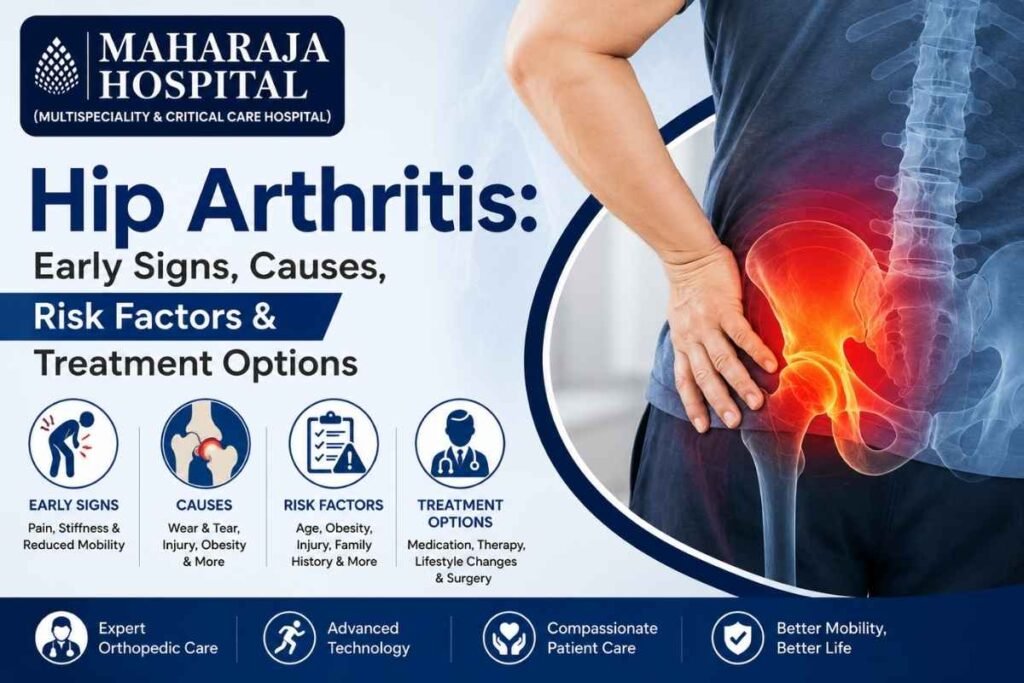
Hip arthritis is a common joint condition that affects millions of people worldwide, especially older adults. It occurs when the cartilage that cushions the hip joint gradually wears away, causing pain, stiffness, and reduced mobility. While aging is one of the primary causes, hip arthritis can also affect younger individuals due to injuries, obesity, or certain medical conditions.
Early diagnosis and timely treatment can slow disease progression, relieve pain, and help maintain an active lifestyle. Understanding the early signs, causes, risk factors, and available treatment options is the first step toward protecting your joint health.
What Is Hip Arthritis?
Hip arthritis is a condition in which the cartilage covering the ends of the hip joint gradually breaks down. Cartilage acts as a smooth cushion that allows bones to move freely without friction. As the cartilage wears away, the bones begin rubbing against each other, leading to pain, inflammation, stiffness, and difficulty moving the joint.
The hip is one of the body’s largest weight-bearing joints, so arthritis can significantly affect walking, climbing stairs, and performing everyday activities.
Types of Hip Arthritis
Several forms of arthritis can affect the hip joint.
Osteoarthritis
This is the most common type of hip arthritis. It develops gradually as cartilage naturally wears down with age.
Rheumatoid Arthritis
Rheumatoid arthritis is an autoimmune disease in which the immune system attacks the lining of the joints, causing inflammation and joint damage.
Post-Traumatic Arthritis
This type develops after a hip injury, fracture, or dislocation. Even after healing, the joint may deteriorate over time.
Ankylosing Spondylitis
This inflammatory condition primarily affects the spine but may also involve the hip joints, causing stiffness and pain.
Early Signs of Hip Arthritis
Recognizing symptoms early can help prevent further joint damage and improve treatment outcomes.
Persistent Hip Pain
Pain around the hip or groin is often the earliest symptom. Initially, the discomfort may occur after physical activity but gradually becomes more frequent.
Morning Stiffness
People with hip arthritis often experience stiffness after waking up or after sitting for long periods. The stiffness usually improves with gentle movement.
Reduced Range of Motion
Simple activities such as bending, tying shoes, or getting into a car may become difficult as flexibility decreases.
Pain During Walking
Walking, climbing stairs, or standing for extended periods may increase discomfort.
Clicking or Grinding Sensation
As cartilage wears away, the hip joint may produce grinding or clicking sounds during movement.
Limping
Pain and stiffness can alter your walking pattern, causing you to limp.
Common Causes of Hip Arthritis
Hip arthritis develops due to several contributing factors.
Age-Related Wear and Tear
As people age, cartilage naturally becomes thinner and less effective at protecting the joints.
Previous Hip Injuries
Fractures, dislocations, or sports injuries can damage cartilage and increase the risk of arthritis later in life.
Obesity
Excess body weight places additional pressure on the hip joints, accelerating cartilage breakdown.
Autoimmune Disorders
Conditions such as rheumatoid arthritis cause chronic inflammation that damages the joint lining.
Joint Abnormalities
Some people are born with hip abnormalities that increase the likelihood of developing arthritis.
Repetitive Stress
Jobs or sports involving repetitive hip movements can contribute to joint wear over time.
Risk Factors for Hip Arthritis
Although anyone can develop hip arthritis, certain factors increase the risk.
- Increasing age
- Family history of arthritis
- Obesity
- Previous hip injuries
- Rheumatoid arthritis
- Sedentary lifestyle
- Poor muscle strength
- High-impact sports
- Congenital hip disorders
Managing these risk factors can help reduce the likelihood of developing severe joint problems.
How Hip Arthritis Is Diagnosed
A proper diagnosis helps determine the severity of arthritis and guides treatment decisions.
Your doctor may recommend:
Physical Examination
The doctor evaluates joint movement, pain levels, flexibility, and walking pattern.
Medical History
Information about previous injuries, symptoms, and family history helps identify possible causes.
X-rays
X-rays reveal cartilage loss, bone spurs, and narrowing of the joint space.
MRI Scan
MRI provides detailed images of cartilage, ligaments, and surrounding soft tissues.
Blood Tests
Blood tests help identify inflammatory arthritis such as rheumatoid arthritis.
Treatment Options for Hip Arthritis
Treatment depends on the severity of symptoms and the extent of joint damage.
Lifestyle Modifications
Small lifestyle changes often help reduce symptoms.
- Maintain a healthy body weight.
- Stay physically active.
- Avoid activities that increase joint stress.
- Wear supportive footwear.
Physical Therapy
A physiotherapist can recommend exercises that improve flexibility, strengthen surrounding muscles, and reduce joint stiffness.
Medications
Doctors may prescribe:
- Pain relievers
- Anti-inflammatory medications
- Topical pain relief creams
- Joint injections in selected cases
Assistive Devices
Walking sticks or walkers may reduce pressure on the hip joint during movement.
Hip Replacement Surgery
When conservative treatments no longer provide relief and arthritis severely affects daily life, hip replacement surgery may be recommended. This procedure replaces the damaged joint with an artificial implant, helping restore movement and reduce pain.
Patients experiencing persistent hip pain can receive expert evaluation and personalized treatment at an Orthopedic Hospital in Rewari, where experienced orthopedic specialists diagnose and manage various bone and joint conditions using advanced treatment techniques.
Can Other Conditions Cause Hip Pain?
Not all hip pain is caused by arthritis. Several abdominal and pelvic conditions may produce pain that radiates toward the hip region.
Examples include:
- Hernias
- Kidney stones
- Appendicitis
- Gallbladder disease
- Certain digestive disorders
When these conditions require surgery, minimally invasive procedures often provide faster recovery with less postoperative discomfort. Hospitals offering advanced Laparoscopic Surgeries in Rewari can diagnose and treat many abdominal conditions that may sometimes mimic hip pain.
Tips to Prevent Hip Arthritis
Although arthritis cannot always be prevented, healthy habits can lower your risk and slow disease progression.
Maintain a Healthy Weight
Reducing excess weight decreases stress on the hip joints.
Exercise Regularly
Low-impact exercises such as swimming, cycling, and walking help keep joints flexible.
Strengthen Supporting Muscles
Strong hip and thigh muscles provide better support for the joint.
Avoid Joint Injuries
Use proper techniques during sports and wear protective equipment when needed.
Eat a Balanced Diet
A nutrient-rich diet supports bone health and helps manage inflammation.
Stay Active
Avoid prolonged sitting and include gentle stretching throughout the day.
When Should You See a Doctor?
Consult an orthopedic specialist if you experience:
- Hip pain lasting longer than a few weeks
- Difficulty walking or climbing stairs
- Persistent stiffness
- Pain that interrupts sleep
- Swelling around the hip
- Limited range of motion
- Pain that does not improve with rest or medication
Early treatment can slow the progression of arthritis and improve long-term joint function.
Conclusion
Hip arthritis is a progressive condition that can significantly impact mobility and quality of life if left untreated. Recognizing the early signs, understanding the causes, and addressing risk factors can help prevent further joint damage and improve treatment outcomes.
Many people achieve excellent symptom relief through lifestyle changes, physical therapy, medications, and timely medical care. In advanced cases, surgical treatment can restore mobility and reduce pain, allowing individuals to return to their normal activities. If you are experiencing persistent hip pain or stiffness, seeking medical evaluation early is the best way to protect your joint health and maintain an active, independent lifestyle.