
Acute vs Chronic Pain: Key Differences, Warning Signs & Health Risks

Back Pain: Early Warning Signs, Relief Strategies & When to Consult an Orthopedic Specialist
July 22, 2026
Hip Arthritis: Early Signs, Causes, Risk Factors & Treatment Options
July 30, 2026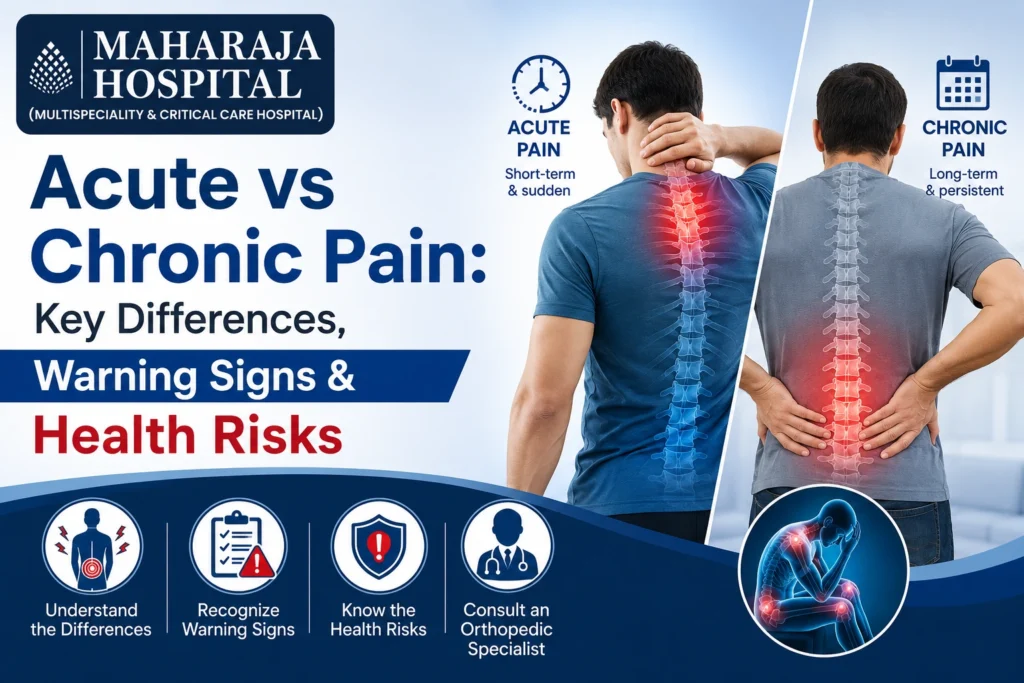
Pain is your body’s natural way of signaling that something is wrong. It can result from an injury, illness, surgery, or an underlying medical condition. However, not all pain is the same. Some pain lasts only a few days or weeks, while other types continue for months or even years. Understanding the difference between acute and chronic pain is essential because each type requires a different approach to diagnosis and treatment.
Knowing the warning signs and potential health risks can help you seek medical care at the right time and prevent complications that may affect your daily life.
What Is Acute Pain?
Acute pain is short-term pain that usually appears suddenly due to a specific injury, illness, or medical procedure. It serves as the body’s warning system, alerting you that tissue damage has occurred.
In most cases, acute pain disappears once the underlying cause has healed. Depending on the condition, it may last anywhere from a few hours to several weeks.
Common Causes of Acute Pain
Acute pain can occur due to:
- Sprains and muscle strains
- Bone fractures
- Sports injuries
- Burns and cuts
- Dental problems
- Surgical procedures
- Infections
- Sudden inflammation
Since the cause is often clear, treatment usually focuses on healing the injury while managing pain.
What Is Chronic Pain?
Chronic pain is pain that continues for more than three months or persists even after the original injury has healed. Unlike acute pain, chronic pain is considered a medical condition because it can affect both physical and emotional health.
It may be constant or come and go over time. Chronic pain can interfere with work, sleep, mobility, and overall quality of life.
Common Causes of Chronic Pain
Several conditions can lead to chronic pain, including:
- Arthritis
- Chronic back pain
- Degenerative disc disease
- Fibromyalgia
- Nerve damage
- Osteoporosis
- Old injuries
- Autoimmune diseases
Sometimes, chronic pain develops without a clearly identifiable cause, making proper medical evaluation even more important.
Acute vs Chronic Pain: Understanding the Key Differences
Although both types of pain can affect daily activities, they differ in several important ways.
| Acute Pain | Chronic Pain |
|---|---|
| Starts suddenly | Develops gradually or continues over time |
| Lasts a few days to weeks | Persists for more than three months |
| Usually caused by injury or illness | May continue after healing or result from chronic conditions |
| Acts as a warning signal | Often becomes a long-term health condition |
| Typically resolves with treatment | Often requires ongoing management |
Recognizing these differences helps doctors choose the most effective treatment plan.
Warning Signs You Should Never Ignore
While mild pain may improve with rest and home care, certain symptoms indicate the need for immediate medical attention.
Severe or Persistent Pain
Pain that does not improve after several weeks should always be evaluated by a healthcare professional.
Pain That Worsens Over Time
If pain becomes more intense despite medication or rest, it may indicate an underlying problem that requires treatment.
Numbness or Tingling
Pain accompanied by numbness, tingling, or weakness may suggest nerve involvement, especially in the back or neck.
Difficulty Moving
If pain limits your ability to walk, stand, lift objects, or perform daily tasks, medical evaluation is recommended.
Swelling or Deformity
Visible swelling, bruising, or joint deformity after an injury could indicate fractures or ligament damage.
Fever Along With Pain
Pain associated with fever may point to an infection that requires prompt treatment.
Health Risks of Ignoring Chronic Pain
Many people assume pain is simply part of aging or a busy lifestyle. Unfortunately, ignoring chronic pain can lead to serious complications.
Reduced Mobility
Persistent pain often discourages movement, leading to muscle weakness, joint stiffness, and reduced flexibility.
Mental Health Problems
Living with ongoing pain can increase the risk of anxiety, depression, stress, and emotional exhaustion.
Poor Sleep Quality
Pain frequently interferes with restful sleep, making recovery even more difficult.
Decreased Productivity
Chronic pain can reduce concentration, affect work performance, and limit participation in everyday activities.
Dependence on Pain Medications
Without proper diagnosis and treatment, some individuals may rely excessively on pain medications, increasing the risk of side effects and dependency.
How Acute and Chronic Pain Are Diagnosed
Doctors begin with a detailed medical history and physical examination. Depending on your symptoms, additional investigations may include:
- X-rays
- MRI scans
- CT scans
- Blood tests
- Nerve conduction studies
- Ultrasound imaging
An accurate diagnosis helps determine the root cause of pain rather than simply treating the symptoms.
Treatment Options for Acute Pain
Treatment depends on the underlying cause and severity.
Common options include:
- Rest and activity modification
- Ice or heat therapy
- Anti-inflammatory medications
- Pain relievers
- Physical therapy
- Minor medical procedures when necessary
Most patients recover completely with appropriate treatment and rehabilitation.
Treatment Options for Chronic Pain
Managing chronic pain usually requires a comprehensive and personalized approach.
Treatment may include:
Physical Therapy
Targeted exercises strengthen muscles, improve flexibility, and reduce pain over time.
Lifestyle Changes
Maintaining a healthy weight, exercising regularly, and improving posture can significantly reduce pain.
Medications
Doctors may prescribe medications based on the cause and severity of symptoms.
Interventional Procedures
Some patients benefit from injections or minimally invasive treatments to relieve persistent pain.
Surgery
In cases involving severe joint damage, spinal disorders, or structural abnormalities, surgery may be recommended after conservative treatments have failed.
Patients seeking comprehensive bone, joint, and spine care can consult specialists at an <a href=”https://maharajahospital.in/orthopedics/”>Orthopedic Hospital in Rewari</a>, where experienced orthopedic experts provide advanced diagnosis, treatment, and rehabilitation for a wide range of musculoskeletal conditions.
Can Internal Conditions Cause Pain?
Not every pain originates from muscles, bones, or joints. Sometimes, abdominal disorders such as gallstones, appendicitis, or hernias may cause pain that radiates to the back or surrounding areas.
When these conditions require surgical treatment, minimally invasive procedures often offer quicker recovery, less pain, and smaller scars. Hospitals providing advanced <a href=”https://maharajahospital.in/laproscopic-surgeries/”>Laparoscopic Surgeries in Rewari</a> can effectively diagnose and treat many abdominal conditions that may contribute to persistent discomfort.
Tips to Prevent Long-Term Pain
Although not all pain can be prevented, healthy habits can significantly reduce your risk.
- Maintain good posture while sitting and standing.
- Exercise regularly to strengthen muscles and joints.
- Stretch before and after physical activity.
- Lift heavy objects using proper techniques.
- Maintain a healthy body weight.
- Avoid smoking, as it can affect bone and tissue health.
- Get adequate sleep to support healing.
- Seek early medical care for injuries instead of delaying treatment.
When Should You See a Doctor?
Consult a healthcare professional if you experience:
- Pain lasting longer than three months
- Severe pain after an injury
- Pain accompanied by numbness or weakness
- Difficulty walking or moving
- Swelling, redness, or fever
- Pain that affects sleep or daily activities
- Symptoms that continue despite home treatment
Early diagnosis often leads to better treatment outcomes and helps prevent long-term complications.
Conclusion
Understanding the difference between acute and chronic pain is essential for protecting your health. Acute pain is usually temporary and serves as a warning sign that the body needs healing, while chronic pain persists for months and often requires ongoing medical management.
Ignoring persistent pain can lead to reduced mobility, emotional stress, poor sleep, and a lower quality of life. Seeking timely medical evaluation, following a healthy lifestyle, and receiving the right treatment can help manage pain effectively and improve long-term well-being. Whether the pain is caused by an injury, arthritis, nerve problems, or another medical condition, early intervention is the key to faster recovery and a healthier, more active life.